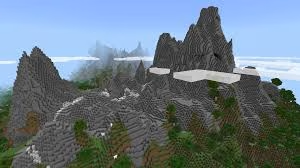
Minecraft’s mountains have transformed dramatically since the Caves & Cliffs update revolutionized terrain generation. Throughout 2025 and into 2026, dedicated builders and the community have witnessed how mountain biomes evolved from simple elevated hills into towering, realistic alpine landscapes reaching Y=256. Let’s explore this incredible journey and what makes modern Minecraft mountains truly special.
Table of Contents
The Mountain Revolution: Minecraft Before and After
| Aspect | Pre-1.18 Mountains | Modern Mountains (1.18+) |
|---|---|---|
| Max Height | Y=128 (low peaks) | Y=256 (sky-touching summits) |
| Terrain Style | Smooth, gradual slopes | Jagged, dramatic cliffs |
| Biome Variety | 2-3 mountain types | 6 distinct peak biomes |
| Cave Integration | Separate systems | Exposed cave networks |
| Realism | Basic hills | Fjord-like formations |
For sandbox game enthusiasts, this evolution represents Minecraft’s most significant terrain overhaul, transforming mountains from background features into breathtaking destinations worthy of base-building and exploration.
Six Mountain Peak Biomes That Changed Everything
The Caves & Cliffs update introduced diverse mountain peak types, each with unique characteristics:
Jagged Peaks: Sharp, snow-covered summits with extreme vertical cliffs—the most dramatic mountain type. Perfect for experienced climbers and builders seeking challenge.
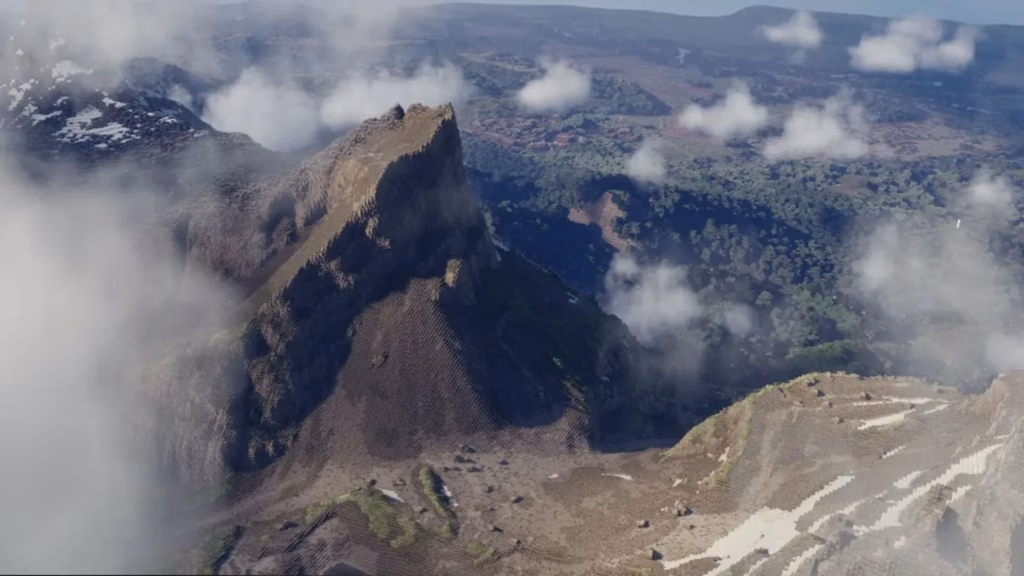
Frozen Peaks: Smooth snow-covered peaks with ice and packed ice formations. Goats spawn here naturally, adding life to the frozen heights.
Stony Peaks: Bare stone mountains in warmer areas, featuring calcite strips and mineral-rich exposed layers ideal for mining.
Meadow: Gentle flower-covered slopes at lower elevations, serving as transition zones between plains and peaks.
Grove: Snowy forested slopes with spruce trees and powder snow traps, creating cozy mid-mountain environments.
Snowy Slopes: Steep powder snow-covered inclines connecting lower biomes to frozen peaks above.
How Terrain Generation Creates Modern Mountains
Minecraft’s world generation now uses sophisticated algorithms determining mountain placement through “continentalness” and “erosion” values:
Low Erosion = Massive Plateaus: Mountains generate in circular formations reaching Y=256, creating flat-topped mesa-like peaks.
Medium Erosion = Peak Ranges: Traditional mountain chains with valleys between summits, resembling real-world alpine ranges.
High Erosion = Single Peaks: Isolated dramatic summits surrounded by lower terrain, perfect for landmark builds.
Coastal Mountains = Fjords: When mountains meet oceans, massive stone cliffs plunge directly into deep water, creating Norway-style fjords complete with exposed cave systems.
For Minecraft building fans, understanding these generation patterns helps locate ideal building sites—whether you want a hidden valley base or a mountaintop fortress visible for thousands of blocks.
Builder-Friendly Mountain Features
Modern mountains offer builders unprecedented opportunities:
Natural Light in Caves: Cliff breaks expose lush caves to sunlight, enabling underground glass-window bases with natural lighting.
Ore Visibility: Exposed mountainsides reveal coal, iron, copper, and emerald veins without digging, accelerating resource gathering.
Dramatic Building Sites: Peaks at Y=256 provide unparalleled views and defense advantages for survival builds.
Terraforming Potential: Tools like World Painter let builders create custom mountain ranges, with third-party software supporting the new height limits.
Mountain Seeds Worth Exploring in 2026
Recent seed discoveries showcase mountain generation at its finest:
Seed: 6671238423019257953 (Java 1.20-1.21.11)
Spawns you in Jagged Peaks with a massive mountain range overlooking ocean biomes, plus five nearby Ancient Cities and multiple villages.
Multi-Biome Valleys: Seeds featuring circular peak formations with enclosed meadow valleys offer protected building spaces surrounded by natural walls.
Trial Chamber Mountains: Some 1.21+ seeds position Strongholds directly above Trial Chambers beneath mountains—perfect for RPG-style final dungeon experiences.
Why Mountains Matter for Gameplay
Beyond aesthetics, mountains fundamentally changed how players interact with Minecraft:
Goat Spawning: Mountains are the exclusive goat habitat, making horn collection an alpine expedition.
Emerald Farming: Higher emerald ore generation at altitude makes mountain mining lucrative for villager trading.
Pillager Outposts: These structures spawn on peaks, creating dangerous high-altitude PvE encounters.
Deep Dark Access: The largest mountains generate Deep Dark biomes far below, with Ancient Cities holding exclusive loot.
Dripstone & Lush Caves: Mountain terrain influences underground cave biome distribution, creating diverse spelunking opportunities.
Community Builder Showcases
Throughout 2025, builders demonstrated mountain mastery:
Ski Resorts: Colorado-based builder Joshua created three working ski resorts using custom mountain terrain, complete with functional chairlifts and minigames.
Alpine Villages: Builders craft Swiss-style villages on mountain slopes, utilizing terrain elevation for tiered architecture.
Mountaintop Temples: Fantasy builds perched on Y=256 peaks have become trending content on Planet Minecraft and Reddit.
Underground Kingdoms: Lush cave exposure beneath mountains inspires glass-ceiling kingdoms lit by natural sunlight filtering through cliff breaks.
The 2026 Mountain Meta
As Minecraft enters 2026 with the new version numbering system (26.x), mountains remain central to:
Baby Mob Update: The first 2026 game drop (expected March) may interact with mountain biomes, potentially adding baby goat behaviors.
Mounts of Mayhem Dungeons: The Dungeon Descent add-on features mountain-themed challenges with custom saddle blocks and charms.
Marketplace Content: January 2026’s Marketplace Pass includes mountain-compatible texture packs like Realism VFX, enhancing alpine visual quality.
Tips for Mountain Building Projects
1. Respect the Scale: Modern mountains are massive—plan builds accordingly. A “small” mountain base can easily consume thousands of blocks.
2. Use Terracotta Color Coding: Stony peak biomes lack snow, making colored terracotta bases blend naturally with exposed stone.
3. Embrace Verticality: Multi-level bases utilizing natural cliff formations create more interesting architecture than flat structures.
4. Plan for Weather: Mountains experience snow and rain—design roofs and drainage accordingly.
5. Install Elytra Landing Pads: Heights demand safe descent options. Water pools or hay bales prevent fatal falls.
The Bottom Line
Minecraft’s mountain evolution from simple bumps to towering alpine masterpieces represents one of gaming’s most successful terrain overhauls. Modern mountains aren’t just pretty backdrops—they’re interactive playgrounds encouraging exploration, building creativity, and gameplay variety.
Whether you’re a survival player hunting emeralds, a builder crafting mountaintop fortresses, or an adventurer seeking Ancient Cities beneath towering peaks, mountains have never been more rewarding to explore.
Download Minecraft on Minecraft.net, explore community builds on Planet Minecraft, or check the Minecraft Wiki for detailed biome information.
FAQs
How tall can Minecraft mountains generate in 2026?
Modern Minecraft mountains can reach the maximum world height of Y=256, creating dramatic peaks that tower above cloud level (Y=192), especially in low-erosion generation areas with jagged peaks and frozen peak biomes.
What’s the best Minecraft seed for mountain building in 2026?
Seed 6671238423019257953 (Java 1.20-1.21.11) spawns you in spectacular Jagged Peaks with mountain ranges overlooking oceans, five nearby Ancient Cities, multiple villages, and diverse biomes—perfect for ambitious building projects.