Ever wonder why the GTA series uses fictional car brands instead of real Mercedes, Lamborghinis, and Ferraris? It’s genius game design meets smart business strategy. Let’s uncover why Bravura beats BMW, and Benefactor outshines Bugatti!
Table of Contents
The Legal & Creative Advantage
GTA’s fictional brands aren’t random—they’re a masterstroke of intellectual property strategy. Real car brands come with licensing costs, legal restrictions, and creative compromises. Fictional cars? Complete creative freedom with zero legal headaches. Win-win!
Fictional vs. Real Car Brands: The Breakdown
| Aspect | Fictional Brands | Real Brands | GTA’s Choice |
|---|---|---|---|
| Licensing Costs | Free | $100K-$1M+ per car | Fictional |
| Creative Freedom | 100% | Limited by brand identity | Fictional |
| Legal Restrictions | None | Extensive (performance, appearance) | Fictional |
| Customization | Unlimited | Brand-protected limitations | Fictional |
| Parody Potential | Full advantage | Brand lawsuit risk | Fictional |
| Development Time | Faster iteration | Approval delays | Fictional |
The Genius Behind GTA’s Fictional Fleet
Cost Efficiency That Frees Budget
Rockstar saves millions annually by avoiding licensing fees. This money channels into better gameplay mechanics, larger maps, and more innovative features. Every Bravura you drive represents resources invested in actual gaming experience.
Creative Freedom Without Constraints
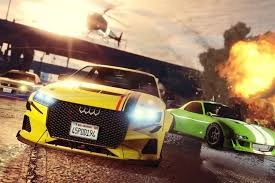
Real brands enforce strict appearance and performance guidelines. Fictional brands let Rockstar:
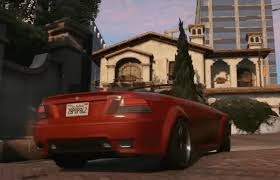
✅ Create absurd body modifications ✅ Parody real-world car culture hilariously ✅ Balance gameplay without brand protection issues ✅ Make cars look outrageous (see: the Panto)
Satirical Storytelling Opportunity
GTA’s strength lies in social satire. Fictional brands like Benefactor, Grotti, and Vapid allow cutting mockery of consumerism, status symbols, and automotive culture. You can’t roast Mercedes the same way without legal consequences.
Brand Parody Names Are Comedy Gold
Ever notice Vapid (vapid = shallow), Bravura (brave/showy), or Willard (willing/backward)? These names subtly mock car culture while remaining legally bulletproof. Real brands can’t be renamed for satirical effect.
Fan Recognition & Iconic Design
Despite being fictional, players instantly recognize these brands:
🚗 Grotti = Italian performance (think Ferrari vibes) 🚗 Benefactor = Luxury sedans (Rolls-Royce energy) 🚗 Vapid = American muscle (Dodge/Chrysler parallels) 🚗 Annis = Japanese sports (Nissan/Mitsubishi style)
Rockstar’s design team makes fictional cars feel authentic through visual design language—you know what each brand represents without logos.
The Real-World Impact
This approach influenced industry standards. Many open-world games now prefer fictional brands for creative autonomy. GTA basically pioneered the smart strategy of building recognizable fictional alternatives instead of paying premium licensing fees.
Explore GTA’s Detailed Vehicle Universe
Curious about specific car stats and customizations? Visit our comprehensive GTA vehicle guide on TechnoSports for detailed car reviews, performance comparisons, and customization recommendations for every fictional brand.
For deeper understanding of intellectual property and licensing in gaming, Wikipedia provides excellent insights into how legal restrictions shape game development.
FAQs
Q1: Are GTA fictional cars based on real vehicles, or completely original designs?
A: They’re inspired by real cars but legally distinct. Players instantly recognize the references (Grotti = Ferrari style), but design details prevent legal liability—pure genius!
Q2: Has Rockstar ever included real car brands in GTA games?
A: Yes! Some GTA games feature licensed real brands, but it’s rare and expensive. Fictional brands dominate because they offer creative freedom without licensing nightmares.